Page :
1 | 2
More Information
Booster Pumps: Applications, Pricing, and Market Insights for Buyers and Suppliers
Booster pumps play an important role in modern water supply systems by increasing water pressure and ensuring consistent water flow. In many residential, commercial, and industrial settings, natural water pressure from municipal lines or storage tanks may not be sufficient to meet operational needs. Booster pumps help solve this issue by maintaining the required pressure levels across pipelines and distribution systems.
In the B2B marketplace, booster pumps are widely traded products, with strong demand from construction companies, facility management firms, industrial plants, and water system contractors.
What Are Booster Pumps?
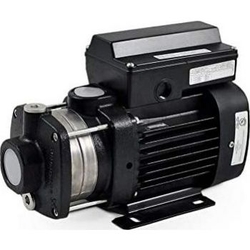
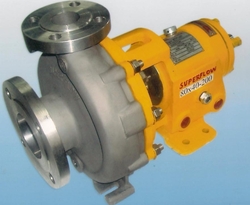
A booster pump is a mechanical device designed to increase the pressure of water moving through a pipeline. These pumps are commonly installed in systems where water pressure is too low to reach upper floors, long distribution lines, or high-demand equipment.
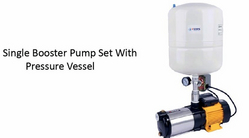
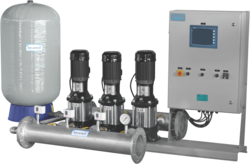
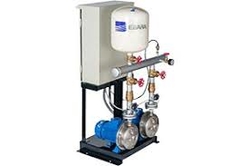
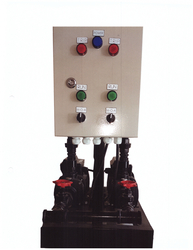
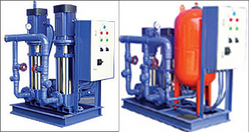
Booster pumps typically work in combination with motors, pressure tanks, and control systems. Many modern booster pump systems also include automatic pressure controllers and variable speed drives to regulate water pressure efficiently.
For businesses and infrastructure projects, booster pumps ensure a reliable water supply and smooth system operation.
Key Applications Across Industries
Booster pumps are used in a wide variety of sectors where stable water pressure is essential.
Residential and Commercial Buildings
High-rise buildings, apartment complexes, hotels, hospitals, and office towers depend on booster pumps to maintain water pressure across multiple floors. Without these systems, upper floors would receive very low water pressure.
Construction Sector
During construction, booster pumps help maintain water flow for temporary supply systems, site utilities, and equipment operation.
Industrial Facilities
Factories and manufacturing plants require consistent water pressure for cooling systems, processing equipment, cleaning operations, and production lines.
Agriculture and Irrigation
In farming operations, booster pumps help move water across large irrigation networks, ensuring that crops receive consistent water supply.
Municipal and Water Distribution Systems
Municipal water networks often use booster pumps to maintain pressure across long pipelines and distribution points.
Because of these wide applications, booster pumps remain a critical component in water infrastructure and facility management.
Pricing Structure of Booster Pumps
The pricing of booster pumps can vary depending on several factors such as pump capacity, motor power, build quality, and system configuration.
Some key pricing factors include:
• Pump capacity and flow rate
• Motor power and energy efficiency
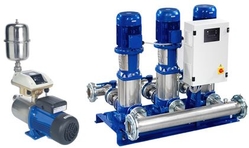
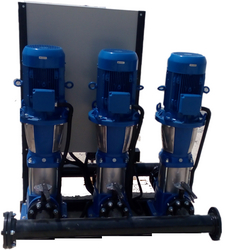
• Single pump vs. multi-pump booster systems
• Material used (stainless steel, cast iron, etc.)
• Automation features such as variable frequency drives (VFD)
• Brand reputation and warranty support
For large projects, buyers often purchase booster pump systems rather than standalone pumps. Bulk purchasing and long-term supply agreements can also influence pricing.
Buyers generally evaluate both the initial equipment cost and the long-term operating costs such as power consumption, maintenance, and spare parts availability.
Challenges Faced by Buyers
Buyers looking for booster pumps may encounter several challenges when selecting the right equipment.
One common issue is choosing the correct pump size and pressure capacity. If the pump is undersized, it may not provide sufficient pressure. If oversized, it may lead to unnecessary energy consumption.
Another challenge is energy efficiency, as booster pumps often operate continuously in large facilities. Buyers prefer systems that reduce electricity consumption and operating costs.
Maintenance and spare parts availability is also a concern. Reliable after-sales support is important for ensuring uninterrupted water supply.
Challenges Faced by Suppliers
Suppliers of booster pumps operate in a competitive market where product quality and technical expertise are key differentiators.
One challenge is price competition, particularly with the presence of multiple international and regional pump brands. Suppliers must maintain competitive pricing while ensuring product reliability.
Another challenge is technical consultation. Many buyers require guidance in selecting the correct pump system based on pressure requirements, building height, and water demand.
Additionally, suppliers must manage inventory and logistics, as booster pumps are available in many configurations and sizes.
Gulf Yellow Pages Online make it easier for buyers and suppliers to connect and conduct business efficiently. Buyers can compare different booster pump models, explore supplier profiles, and request quotations based on project requirements.
For suppliers, B2B platforms provide a valuable opportunity to showcase their product range, technical specifications, certifications, and service capabilities to a wider business audience.
Booster pumps are essential for maintaining stable water pressure in residential, commercial, industrial, and municipal systems. As infrastructure development continues to grow, the demand for reliable booster pump solutions remains strong.
For buyers, selecting the right pump system ensures efficient water distribution and lower operating costs. For suppliers, providing quality products, technical expertise, and dependable service helps build long-term relationships in the competitive B2B market.